Understanding Woodworm Infestations
Woodworm infestations can wreak havoc on wooden structures, furniture, and artifacts, often leading to significant damage and costly repairs. These pests, typically the larvae of beetles, tunnel through the wood, weakening its integrity and causing aesthetic deterioration. With the growing emphasis on environmentally responsible pest control solutions, technologies like the SHASHEL® microwave treatment have emerged as effective tools for rapid woodworm elimination. This article delves into the nature of woodworm infestations, the innovative benefits of SHASHEL® equipment, and the future of pest control technologies.
What are Woodworms and Their Impact?
Woodworms refer to the larvae of wood-boring beetles, including species like the common furniture beetle and the powderpost beetle. These pests thrive in various wooden structures, from old furniture to architectural timbers. If left untreated, woodworms can lead to severe structural damage, resulting in safety hazards and expensive remedial work. Recognizing the signs of infestation early on is crucial for timely intervention.
Common Signs of Woodworm Damage
Detecting woodworm damage can sometimes be challenging, but there are several telltale signs to look out for:
- Small holes in wood surfaces, often resembling pinpricks.
- Frass or wood dust, which is the excrement of wood-boring larvae.
- Visible tunnels inside the wood, indicating active feeding.
- Soft or crumbling wood, indicating significant structural compromise.
Awareness of these signs can help property owners take prompt action to mitigate damage.
Health Risks Associated with Woodworm Infestations
Besides the structural risks, woodworm infestations can pose health threats, especially if they contribute to mold growth or attract other pests. The dust produced from damaged wood can irritate the respiratory systems of occupants. Moreover, untreated infestations can lead to deteriorating conditions that may affect the overall living environment, making effective treatment essential.
The Revolutionary Benefits of Using SHASHEL® Equipment
Employing SHASHEL® microwave technology signals a transition to modern pest management solutions that prioritize both efficacy and environmental responsibility. Unlike traditional chemical treatments that can leave harmful residues, SHASHEL® devices utilize the power of microwave energy to eradicate wood-destroying insects quickly and efficiently.
Chemical-Free and Eco-Friendly Advantages
One of the standout features of SHASHEL® is its commitment to chemical-free extermination. By harnessing microwave technology, these devices deliver targeted heat that disrupts the biological structure of insects, effectively neutralizing larvae, adult beetles, and eggs. This method is safe for both humans and pets, providing peace of mind alongside effective pest control.
Quick and Effective Woodworm Treatment
The time efficiency of SHASHEL® equipment is another crucial advantage. The treatment process can often be completed in just a few minutes, allowing for immediate action without the prolonged interventions associated with traditional methods. This rapid response is particularly beneficial for businesses that cannot afford downtime due to pest issues.
Ease of Use: User-Friendly Design Features
Another impressive aspect of SHASHEL® technology is its intuitive design, which simplifies the treatment process for users. The equipment is tailored for easy setup and operation, meaning that non-professionals can effectively manage woodworm infestations without needing extensive training or expertise.
How SHASHEL® Equipment Works
Microwave Technology Explained
Microwave technology utilizes electromagnetic radiation to generate heat within the material being treated. When applied to wood, the energy penetrates deeply, raising the temperature of woodworms and exterminating them without damaging the wood itself. This method not only eradicates pests but also minimizes the need for extensive structural repairs.
Step-by-Step Process of Woodworm Elimination
The process of using SHASHEL® for woodworm elimination typically follows these steps:
- Preparation: Identify infested areas and remove any obstructive items.
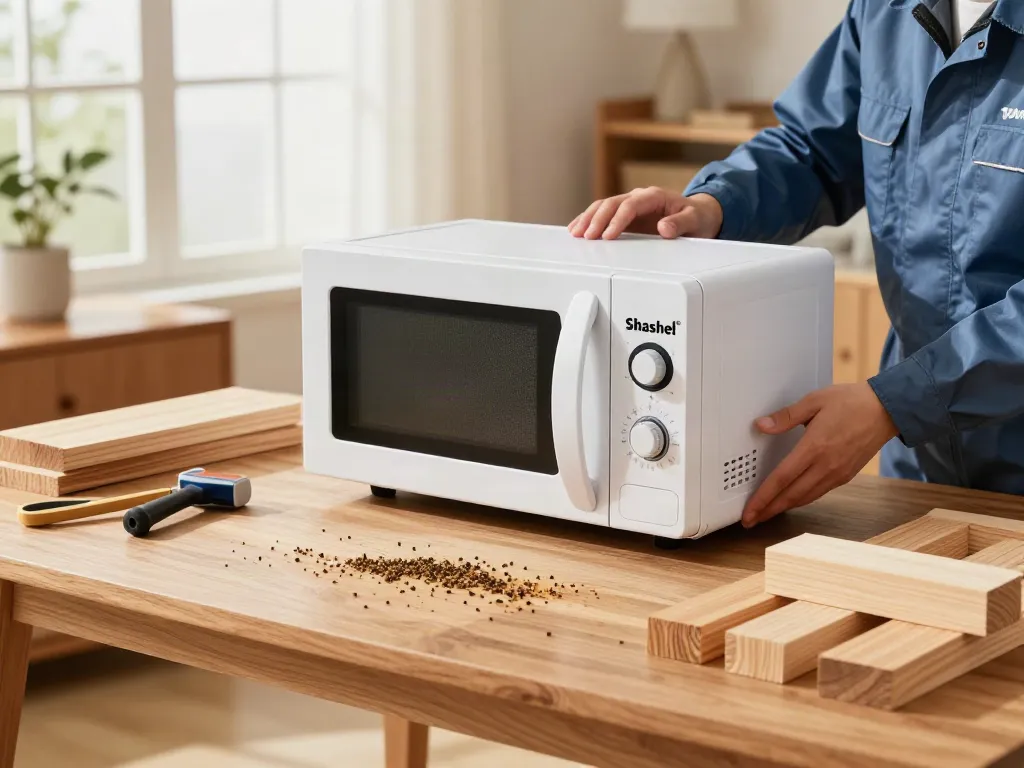
- Setup: Position the SHASHEL® device over the infested wood.
- Activation: Power on the device to begin the microwave treatment.
- Monitoring: Observe the process to ensure thorough coverage of the affected area.
- Follow-up: Inspect the treated areas after the treatment for any remaining signs of infestation.
Real-World Applications and Success Stories
SHASHEL® equipment has demonstrated remarkable success not only in residential settings but also in commercial spaces such as warehouses and museums. One notable case involved the restoration of an antique wooden sculpture, where traditional methods had failed. Using SHASHEL® technology, the infestation was eradicated swiftly, preserving the integrity and value of the piece.
Common Misconceptions About Woodworm Treatment
Debunking Myths About Chemical Treatments
Many people believe that chemical treatments are the only solution for woodworm infestations. However, this is a misconception, as these treatments can pose risks to health and the environment. Moreover, they often fail to address the root cause of infestations and may require repeated applications.
Misinformation About DIY Solutions
Another common myth is that DIY solutions are sufficient for tackling woodworm issues. While some homeowners may try to manage infestations independently, these methods often lack the effectiveness required for complete elimination, which can lead to prolonged damage and financial loss.
Why Professional Solutions Like SHASHEL® Stand Out
Choosing professional solutions like SHASHEL® not only ensures thorough pest control but also eliminates the risks associated with chemical residues. Their efficiency and eco-friendly approach provide immediate and lasting results that exceed what typical DIY strategies might achieve.
Future Trends in Pest Control Technologies
Innovations in Eco-Friendly Pest Management
As the demand for sustainable and environmentally sound pest control solutions rises, innovations in pest management technologies are transforming the industry. Microwave technology represents a significant breakthrough, often combined with smart monitoring systems that enhance efficiency and user experience.
The Growing Demand for Chemical-Free Solutions
With an increasing awareness of chemical impacts on health and environmental sustainability, consumers are more inclined to seek chemical-free pest control options. SHASHEL® equipment is at the forefront of this movement, offering solutions that align with modern values of sustainability.
Predictions: The Evolution of Treatments by 2026
By 2026, it is expected that pest control technologies will increasingly integrate artificial intelligence and IoT (Internet of Things) capabilities. These advancements could lead to the development of even more sophisticated systems that predict infestations and automatically deploy treatments, ensuring proactive and efficient pest management.
How to Choose the Right Equipment for Your Needs?
When selecting pest control equipment like SHASHEL®, consider the following factors:
- Type of Pest: Different pests require specific treatment approaches. Ensure the equipment addresses your specific woodworm or beetle type.
- Size of Infestation: Evaluate the extent of the infestation to determine the necessary equipment capacity.
- User-Friendliness: Choose devices that offer straightforward operation and efficiency.
What Maintenance is Required for SHASHEL® Devices?
Maintaining SHASHEL® devices is relatively simple, requiring regular inspections to ensure functionality and safety. Following the manufacturer's guidelines for cleaning and storage will prolong the equipment's lifespan and ensure continued effectiveness.
Can SHASHEL® Equipment Be Used in Various Settings?
Yes, SHASHEL® equipment is versatile and can be utilized in multiple settings, including residential homes, commercial properties, and cultural institutions. Its adaptability makes it an invaluable tool for pest management across different environments.