Understanding Facial Analysis Apps
In the realm of skincare and beauty, facial analysis apps have surged in popularity, promising to enhance personal aesthetics through informed insights. These applications utilize advanced technology to analyze facial features, skin conditions, and even offer customized skincare recommendations. As consumers seek reliable methods to assess their looks and improve their skin health, alternatives to established services like QOVES have become increasingly relevant. When exploring options, alternative to QOVES provides comprehensive insights into what may best fit individual needs.
What are Facial Analysis Apps?
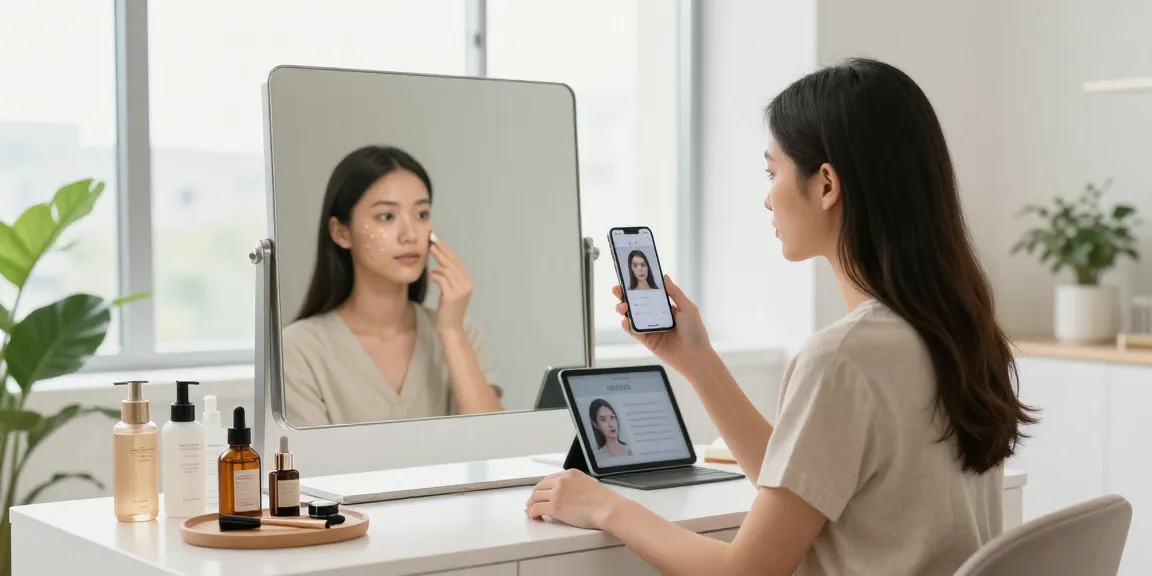
Facial analysis apps are digital tools designed to evaluate facial features and skin conditions using algorithms and artificial intelligence. They analyze photographs to provide users with assessments concerning skin health, facial symmetry, and even aesthetic enhancements. These apps can be used for personal grooming, skincare decisions, or even as a fun way to explore potential alterations to one’s appearance.
How Do They Work?
Facial analysis apps typically work by utilizing machine learning algorithms to analyze images taken by the user. Here’s a basic breakdown of the process:
- Image Capture: Users take a photo of their face, often following specific guidelines to ensure accurate results.
- Analysis: The app uses facial recognition technology to identify key features and skin conditions. It often compares this data against extensive databases of skin types and conditions.
- Feedback and Recommendations: Based on the analysis, users receive tailored suggestions, which may include skincare products, routines, or lifestyle changes designed to enhance their facial aesthetics.
Key Features to Look for in Alternatives to QOVES
When searching for a suitable alternative to QOVES, it's crucial to evaluate certain key features:
- User Experience: The app should be intuitive and user-friendly, making it easy for users to navigate and understand their analysis results.
- Accuracy of Analysis: Look for apps with proven technology and reliability in delivering accurate facial assessments.
- Customization: The ability to provide personalized recommendations based on individual skin types and concerns is vital.
- Privacy and Data Security: Ensure the app has robust policies regarding user data security, especially since personal images are involved.
- Community Support: Some apps foster a community where users can share experiences and tips, enhancing the overall value of the application.
Top Alternatives to QOVES in 2026
As the demand for facial analysis apps grows, numerous alternatives to QOVES have emerged, each offering unique features and capabilities. Below, we delve into some of the leading apps available in 2026.
Detailed Review of Leading Apps
Here’s a look at several noteworthy alternatives to QOVES:
- Facet: This app provides rapid facial analysis with a unique pricing model, offering a one-time fee for each analysis. Facet excels in providing instant feedback and integrates well with other skincare tools.
- YouCam Makeup: Although primarily a makeup application, YouCam incorporates facial analysis features that allow users to visualize how makeup can enhance their facial features and improve skincare.
- Skinive: Targeted at skin health, Skinive analyzes images for various skin conditions and generates tailored skincare regimens based on the results, making it a practical choice for skincare enthusiasts.
- Looksmax AI: Focused on aesthetic enhancements, Looksmax AI offers insights into how users can improve their facial features with recommendations on products and procedures based on advanced facial metrics.
- Abby AI: This app combines facial analysis with therapy insights, providing users with holistic advice that includes emotional wellness in addition to skincare.
Comparative Analysis of Pricing Structures
Understanding the pricing models of these apps is crucial for consumers seeking value for their investment. Here’s a brief overview:
- Facet: One-time payment of $39 per analysis.
- YouCam Makeup: Free to download with optional in-app purchases for additional features.
- Skinive: Monthly subscription model starting at $9.99.
- Looksmax AI: Free for basic features, with premium features costing up to $19.99 per month.
- Abby AI: Free to use, with premium consultations available for purchase.
Pros and Cons of Each Alternative
Examining the advantages and disadvantages of these alternatives provides deeper insights into which app may be the best fit for individual needs:
- Facet:
- YouCam Makeup:
- Skinive:
- Looksmax AI:
- Abby AI:
User Experiences with Alternatives to QOVES
User feedback plays a pivotal role in understanding the effectiveness and appeal of these apps. Here we summarize user experiences and insights.
Testimonials from Real Users
Real-world testimonials highlight both satisfaction and shortcomings of various apps:
- Facet: Users appreciate the rapid feedback and affordability, though some wish for more features in the free version.
- YouCam Makeup: Frequently praised for its fun interface, users often enjoy the makeup simulation, albeit some express that more skincare options would be beneficial.
- Skinive: Users commend its personalized approach but note that the subscription can be pricey for those looking for occasional insights.
Common Challenges Faced
Despite the advancements in technology, many users encounter challenges, such as:
- Difficulty understanding the analysis results, particularly with more complex metrics.
- Concerns about the accuracy of the facial analysis, leading to skepticism about recommended products.
- The potential for overwhelming options in apps that provide numerous suggestions.
Success Stories: Achieving Desired Results
Many users report successful outcomes after implementing recommendations from these apps, including:
- Improved skin texture and clarity through personalized skincare regimens.
- Heightened confidence following aesthetic adjustments suggested by platforms like Looksmax AI.
- Increased awareness of skin health, leading to overall better skincare practices.
Incorporating Facial Analysis into Your Routine
To truly benefit from facial analysis apps, integration into daily skincare routines is essential. Here’s how to incorporate insights effectively:
Integrating Insights into Skincare Regimen
Start by taking the results from your facial analysis and aligning them with your current skincare regimen. Here are practical steps to consider:
- Identify the main concerns highlighted by the app and prioritize addressing them with specific products.
- Adjust your routine to introduce new products gradually, allowing your skin to adapt.
- Track changes and reactions to new products to refine your regimen based on real feedback.
Best Practices for Skincare Improvement
Implementing best practices can significantly enhance the results of your skincare routine:
- Maintain consistency with your regimen, as results often take time.
- Stay hydrated and follow a balanced diet to support skin health from within.
- Regularly update your facial analysis to adapt to any changes in your skin type or concerns.
Measuring Results and Tracking Progress
Consider maintaining a skincare journal to effectively measure your results. Document the following:
- Initial analysis results and any recommended changes.
- Daily skincare routines and products used.
- Observations regarding skin improvements or issues following product implementation.
Future Trends in Facial Analysis Technology
The landscape of facial analysis technology is rapidly evolving. Understanding future trends can help consumers stay ahead of the curve.
Emerging Technologies in Skincare Analysis
Future applications are likely to incorporate even more advanced technologies, such as:
- Increased integration of AI and machine learning for more accurate assessments.
- Augmented reality features that allow users to visualize changes in real-time.
- Enhanced personalization through deeper data insights on skin health.
Predictions for the Next Five Years
Looking ahead, we can expect to see:
- Greater accessibility to high-quality facial analysis tools, even in free versions.
- A stronger focus on holistic wellness, integrating mental health considerations with skincare.
- Innovative partnerships with dermatologists to provide expert insights within apps.
How to Stay Informed About New Developments
To remain updated on the latest advancements, consider:
- Following reputable beauty blogs or influencers who specialize in skincare technology.
- Participating in skincare forums or communities to exchange experiences and recommendations.
- Subscribing to newsletters from leading skincare and technology brands.
What Should You Expect from Future Apps?
The next generation of facial analysis apps should come with:
- Seamless user experiences powered by intuitive designs.
- Innovative features that continuously adapt to user feedback and skin changes.
- Robust educational content to help users understand their skin conditions better.