
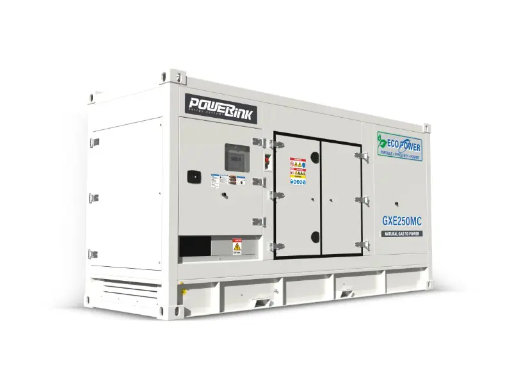
The global energy landscape is changing as businesses, industries, and communities look for reliable, efficient, and sustainable power solutions. Increasing electricity demand, rising energy costs, and the need for cleaner technologies are encouraging organizations to explore alternative energy systems.
Gas-powered energy solutions are becoming an important part of modern power generation strategies. These systems provide dependable electricity while offering improved efficiency and flexible fuel options. From industrial facilities to remote locations, gas-based technologies and natural gas CHP systems are helping meet growing energy requirements while maximizing energy utilization and supporting sustainable operations around the world.
Understanding Gas-Powered Energy Systems
Gas-powered energy systems generate electricity by converting gaseous fuels into usable energy. These systems use advanced engine technology to produce reliable power for various applications.
Natural gas is one of the most commonly used fuels because it provides efficient combustion and consistent performance. Modern solutions such as natural gas CHP allow facilities to generate both electricity and useful heat from the same fuel source, improving overall energy efficiency.
Why Demand for Gas Power Is Increasing
Energy requirements continue to grow due to industrial expansion, digital infrastructure, and increasing electricity consumption. Many organizations need power systems that can deliver stable performance while supporting sustainability goals.
Gas-powered systems are gaining popularity because they offer:
- Reliable electricity generation
- Efficient fuel utilization
- Flexible installation options
- Lower operational challenges
- Support for cleaner energy strategies
These advantages make gas-based power generation a valuable solution for modern energy needs.
Key Benefits of Gas-Powered Energy Systems
Reliable Power Supply
One of the main reasons businesses choose gas-powered systems is their ability to provide continuous electricity. Industries and critical facilities cannot afford frequent power interruptions that may affect productivity and operations.
Gas generators provide dependable energy support, making them suitable for applications where power reliability is essential.
Improved Energy Efficiency
Energy efficiency has become a major priority for organizations worldwide. Traditional energy systems may waste valuable heat during electricity production.
Advanced technologies such as natural gas CHP capture and reuse this heat for heating processes, hot water, or other applications. This improves fuel utilization and helps businesses achieve better overall performance.
Cost Savings
Energy expenses represent a significant part of operating costs. Generating power on-site allows businesses to reduce dependence on external electricity sources.
Efficient fuel consumption, reduced energy waste, and optimized system performance help organizations control long-term energy expenses.
Support for Sustainable Energy Goals
Many industries are working toward cleaner energy practices. Gas-powered systems can support sustainability efforts by improving efficiency and reducing unnecessary resource consumption.
Renewable gas solutions are also becoming increasingly important. A biogas genset allows organizations to convert organic waste into electricity, creating a renewable energy source while improving waste management.
Industries Driving the Adoption of Gas Power
Manufacturing Facilities
Manufacturing plants require stable electricity for machinery, automation systems, and production processes. Gas-powered systems help maintain continuous operations and reduce downtime risks.
Healthcare Sector
Hospitals require uninterrupted power for medical equipment, emergency systems, and essential services. Gas energy solutions provide dependable electricity while supporting efficient facility management.
Data Centers
The growth of digital services has increased demand for reliable data center power. Gas-based systems help data centers maintain continuous operations and protect critical infrastructure.
Agricultural Operations
Agriculture can benefit from renewable gas solutions by using organic waste to create energy. A biogas genset enables farms to produce electricity while supporting sustainable resource management.
The Role of Advanced Gas Technologies
Modern gas power systems are becoming more efficient through improvements in engine design, monitoring systems, and energy management technologies.
These advancements allow businesses to:
- Improve fuel efficiency
- Monitor system performance
- Reduce maintenance requirements
- Optimize energy usage
As technology continues to develop, gas-powered systems are becoming smarter and more adaptable.
Combining Gas Power with Renewable Energy
The future of energy generation will involve a combination of different technologies. Gas systems can work alongside renewable sources such as solar and wind to create balanced energy networks.
When renewable sources are unavailable, gas-powered systems can provide reliable backup power. This combination improves energy security while supporting cleaner energy goals.
Solutions such as natural gas CHP and renewable gas technologies will continue to contribute to more efficient power systems.
The Future of Gas-Powered Energy Systems
The demand for reliable and efficient energy solutions is expected to continue growing worldwide. Gas-powered systems will remain an important part of the energy transition because of their flexibility, performance, and ability to support various applications.
Future developments will focus on improving efficiency, integrating renewable fuels, and reducing environmental impact.
Conclusion
Gas-powered energy systems are becoming increasingly important as the world searches for reliable and sustainable power solutions. Their ability to provide efficient electricity, support industrial operations, and integrate with renewable technologies makes them a valuable choice for the future.
With advanced solutions such as natural gas CHP and biogas genset technology, businesses and communities can achieve better energy reliability while moving toward cleaner and more efficient power generation.