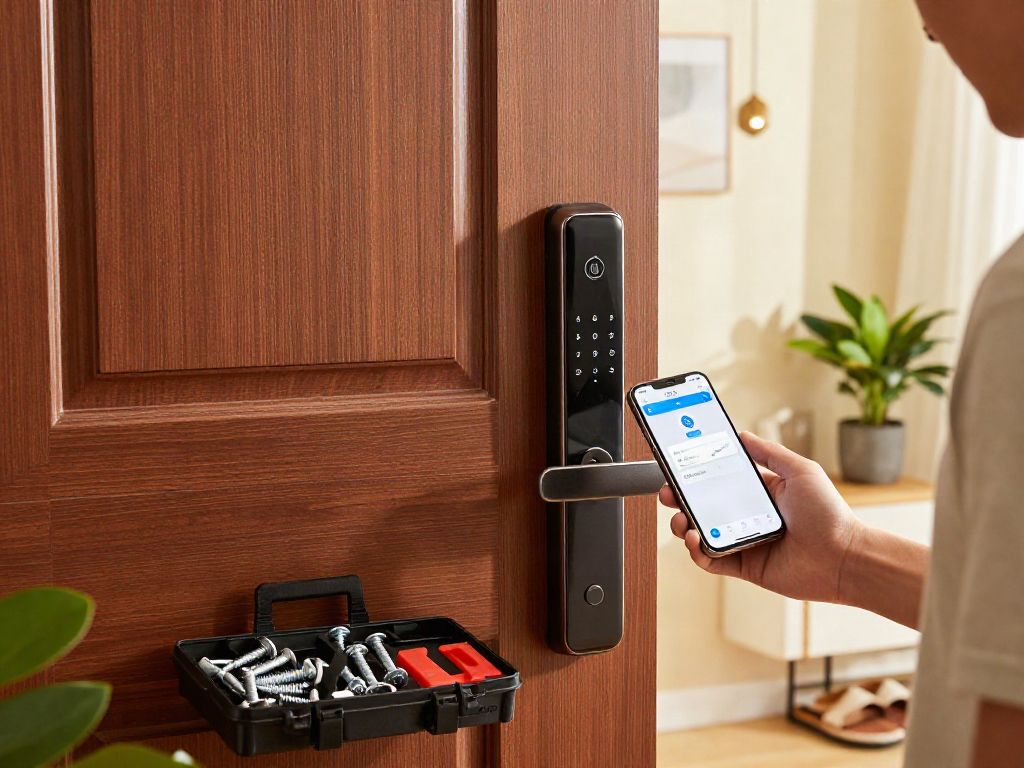
Understanding Smart Locks: Why You Should Consider Upgrading
In an increasingly connected world, the importance of securing your home cannot be overstated. Traditional locks may have served us well in the past, but their limitations are becoming more apparent as technology advances. Smart locks present a viable solution, combining convenience with enhanced security features that appeal to modern homeowners. When exploring options, خرید قفل هوشمند can offer numerous benefits, setting the stage for a safer, smarter living environment.
What Are Smart Locks?
Smart locks are advanced locking mechanisms that can be controlled through smartphones, smartwatches, or other devices connected to the Internet of Things (IoT). Unlike traditional locks that rely solely on physical keys, these devices use wireless technologies such as Bluetooth, Wi-Fi, or Z-Wave to grant access, monitor entry, and support user management. Many models feature touchscreens or keypads, allowing for keyless entry and enhanced user convenience.
Benefits of Smart Lock Technology
- Convenience: With keyless entry, users can unlock their doors without fumbling for keys, a feature especially useful for those with hands full or in inclement weather.
- Remote Access: Many smart locks can be controlled from anywhere via smartphone apps, allowing homeowners to grant access to guests or service personnel without being home.
- Enhanced Security: Smart locks often come equipped with advanced features like automatic locking, tamper alerts, and activity logs that provide valuable insights into who accessed the home and when.
- Integration with Smart Home Systems: Smart locks can seamlessly integrate with other smart home devices, enabling comprehensive security and automation features.
Common Misconceptions About Smart Locks
Despite their growing popularity, several misconceptions persist about smart locks. One common concern is that smart locks are less secure than traditional locks. However, many smart locks employ encryption and other security features that can surpass the reliability of conventional locks. Additionally, some people fear that smart locks can be easily hacked. While no device is entirely immune to breaches, reputable brands implement robust security measures to mitigate these risks.
Top Features to Look for in خرید قفل هوشمند
Keyless Entry and Remote Access
One of the primary draws of smart locks is the ability to enter your home without a physical key. Keyless entry facilitates seamless access, while remote access allows homeowners to control their locks from anywhere, providing peace of mind when away from home. Features such as temporary access codes can also be beneficial for guests or service providers.
Advanced Security Features
When selecting a smart lock, look for advanced security features like auto-locking, which secures the door without user intervention, and tamper alerts that notify users of any unauthorized attempts to breach the lock. Additionally, biometric features such as fingerprint recognition can add another layer of security.
Battery Life and Power Options
Battery life is another crucial factor to consider. Ensure the smart lock can sustain prolonged use without frequent battery changes, and investigate the power options available. Some models include backup options such as a physical key slot or an emergency power connection in case the battery runs low.
Installation and Setup: Making It Easy
Preparing for Installation
Installing a smart lock can be a DIY project or managed by a professional handyman. Start by determining the compatibility of the lock with your existing door hardware and reviewing any specific requirements listed by the manufacturer. Gather the necessary tools and read through the installation guide to familiarize yourself with the process.
Step-by-Step Installation Guide
- Remove the existing lock, following the manufacturer's removal instructions.
- Install the new smart lock according to the included instructions, ensuring all components are securely fastened.
- Connect the lock to your smartphone or smart home system using the accompanying app or software.
- Test the lock to ensure it operates correctly, making adjustments as necessary.
Connecting to Smart Home Systems
Many smart locks can be integrated into existing smart home ecosystems, such as Google Home or Amazon Alexa. To connect your smart lock, follow the manufacturer’s instructions to pair the device with your system. This capability allows for voice control and remote management alongside other connected devices.
Maintaining Your Smart Lock: Best Practices
Regular Software Updates
To ensure optimal performance, regularly check for software updates for your smart lock. Manufacturers often release updates to enhance security functions and improve compatibility with other devices. Enable automatic updates if available for hassle-free maintenance.
Physical Maintenance Tips
While smart locks are designed for durability, it's essential to maintain the lock physically. Cleaning the exterior and ensuring that the battery compartment is free from debris can prevent malfunction. Periodically check all mechanical components to avoid any operational issues.
Monitoring and Troubleshooting Issues
If your smart lock fails to function correctly, refer to the troubleshooting section of the user manual. Many issues can be resolved by following simple instructions, such as resetting the device or reconnecting to the network. Keeping a close eye on battery levels and connection integrity can also prevent common problems.
The Future of Home Security and Smart Locks
Emerging Trends in Smart Lock Technology
As technology evolves, smart lock designs are incorporating more sophisticated security features, such as artificial intelligence (AI) that learns user habits to optimize access. Integration with home automation systems is expected to become standard, allowing for seamless connectivity between devices.
Predictions for Home Security in 2026
Looking ahead to 2026, the trend toward remote monitoring and control is likely to grow stronger. Homeowners will demand increasingly intelligent systems that offer real-time notifications, enhanced biometric security, and improved user interfaces. The focus on cybersecurity will also escalate, pushing manufacturers to invest in robust data protection measures.
Choosing the Right Smart Lock for Your Needs
When selecting a smart lock, evaluate your lifestyle and specific security needs. Consider factors such as frequency of use, the level of access you want to provide to others, and integration with existing smart home devices. Reading reviews and comparing different models can aid in making an informed decision.
What should you consider before buying a smart lock?
Before purchasing, assess whether the smart lock offers features that align with your security requirements. Check compatibility with your door size and type and evaluate the warranty and customer support provided by the manufacturer.
How do smart locks integrate with home security systems?
Smart locks can integrate with various home security systems to enhance overall security. This integration allows homeowners to monitor entry points, receive notifications of unauthorized access, and control all security devices from a single interface.
What are the security features of the latest smart locks?
Latest smart locks include features like encrypted communications, two-factor authentication, and integration with motion detectors and cameras, making them robust solutions for modern homeowners concerned about security.
Are smart locks worth the investment in 2026?
Given the advancements in security technology and the convenience they offer, investing in smart locks is likely to be worthwhile in 2026. Homeowners will benefit from enhanced security, convenience, and integration with other smart home technologies.
What maintenance is required for smart locks?
Maintaining a smart lock involves conducting regular software updates, keeping the physical components clean, and monitoring battery life. User manuals typically provide specific maintenance guidelines that should be followed for optimal performance.