Firefighting robots can enter the market through more than one sale to a fire department.
Their business case may also sit in industrial inspection, emergency response, training, and support services, where people already face heat, smoke, collapse, or toxic air.
The hard part is proving that a robot lowers risk or keeps a site working. A machine that looks useful in a controlled demonstration still needs remote control, transport, maintenance, operator training, and a clear buyer.
- Fire departments need a full service plan, not only a robot.
- Industrial sites may buy first when the robot protects a costly facility.
- Data and training can add income after the hardware sale.
Fire departments are one buyer, not the whole market
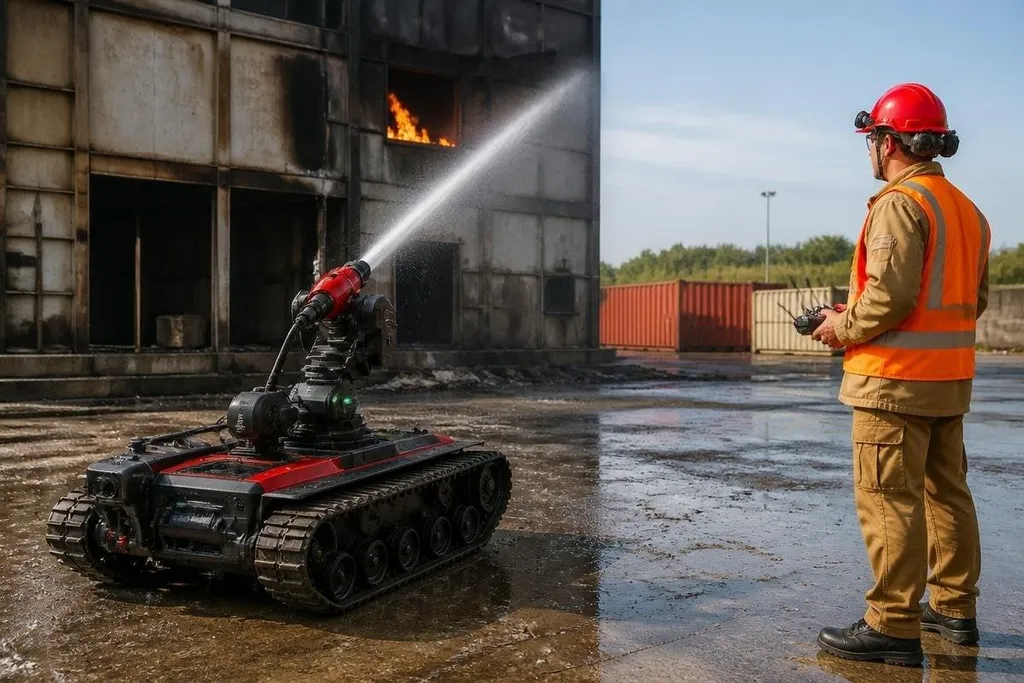
A firefighting robot can carry a camera, send video through smoke, move near heat, or handle a hose from a safer position. The value depends on the task: a machine that reaches a dangerous area but cannot send useful images may add little during an emergency.
That creates several possible sales paths. A maker could sell the robot, lease it with an operator, or charge for support and repairs. Departments with small budgets may prefer a service contract because it spreads the cost and keeps trained help available.
The sale also includes the equipment around the robot. Buyers may need a transport vehicle, spare batteries, a control station, protective gear, software updates, and a plan for cleaning the machine after exposure to soot or chemicals.
This is why the first customer may be a large department, a regional response group, or an agency that lends equipment across several towns. The buyer can spread training and maintenance across more incidents than one station could handle alone.
Industrial sites may have a clearer return
Factories, energy sites, ports, tunnels, and storage facilities already spend money on fire prevention and emergency plans. A robot could inspect a hot area, carry a thermal camera, or gather information before a person enters.
The business case gets easier when one incident could stop production or damage costly equipment. A site owner may judge the robot against the cost of downtime, specialist response, insurance requirements, and worker exposure rather than against the price of a standard vehicle.
That does not make every industrial site a good fit. A robot must fit through doors, cross the site's floors, work around hoses and debris, and connect with the local emergency plan. If staff cannot deploy it quickly, the machine may sit unused when it matters.
A firefighting robot also needs support after it reaches the station. Buyers may pay for operator training, battery checks, spare parts, and control-link repairs. Robot24.com reports on firefighting robots can help compare those service costs with the work each machine has completed. That points to the next business question: can support contracts earn more steady income than hardware sales?
Services may matter more than the hardware
Firefighting robots work in harsh conditions. Heat, water, ash, impact, and poor radio links can damage parts or cut control. A maker that sells the robot and leaves the buyer to solve those problems may lose the customer after the first repair.
That opens room for recurring services. These can include operator training, inspection before each deployment, battery checks, software support, replacement parts, remote advice, and post-incident cleaning. Training centers could also rent robots for drills, giving teams a way to practice without sending equipment into live danger.
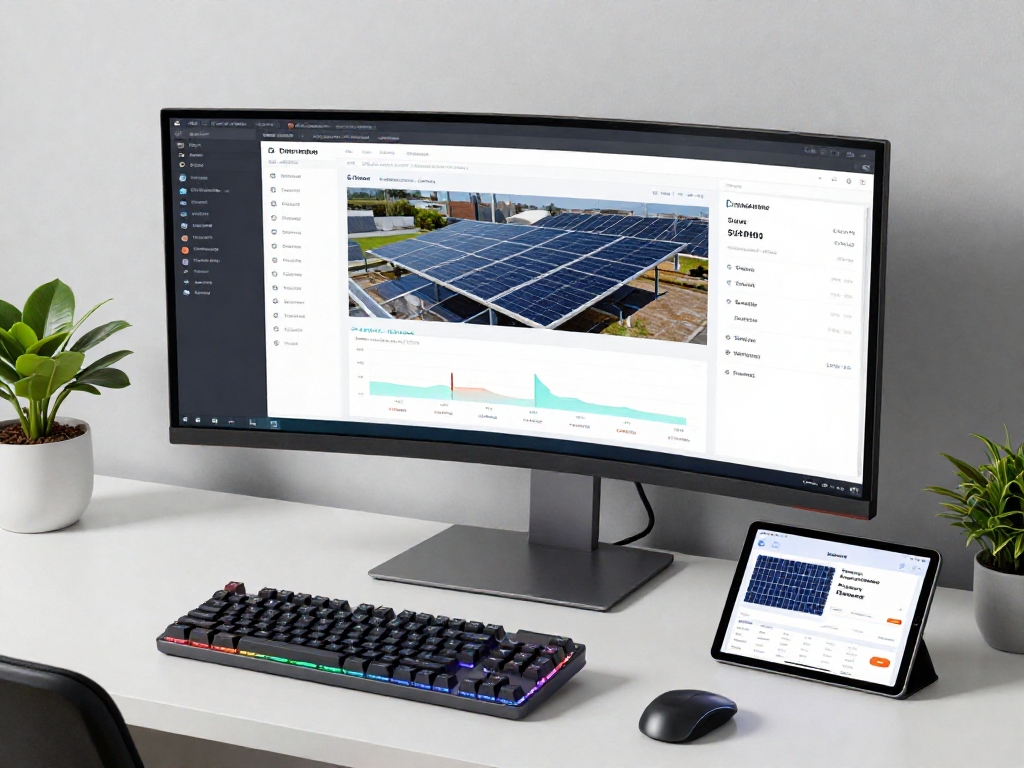
The data has a use too. Video, thermal images, maps, and machine logs can help a site review an incident and improve its response plan. Any system that stores this information needs clear rules for access, retention, and sharing.
What remains unproven
The market still has to answer practical questions. How often will a robot be used? Can one operator control it while wearing protective equipment? How well does it work when smoke blocks cameras, rubble limits movement, or radio signals weaken?
A buyer should also ask who fixes the machine after a hard deployment. A low purchase price means little if parts take weeks to arrive or the operator needs a maker's technician for every repair.
I’d favor systems sold with training, parts, and a clear operating plan over machines offered as stand-alone hardware. The robot has to fit the whole response method, not sit beside it as an expensive spare.
A buyer's checklist
Before approving a purchase, check these points:
- Name the first task: Decide whether the robot will inspect, carry equipment, send video, or handle a hose.
- Test the route: Run it through the doors, slopes, debris, water, and radio conditions found at the site.
- Price the full term: Add training, transport, batteries, repairs, software, storage, and cleaning.
- Set the operator rule: Define who controls the robot, what training they need, and when a person takes over.
- Ask for failure plans: Check what happens after signal loss, a stalled motor, sensor damage, or battery trouble.
Those answers separate a useful purchase from a machine that only works in a staged test. The next business opportunity will belong to the supplier that can show where the robot fits, who keeps it running, and what risk it removes.