Understanding Industrial Centrifuge Technology
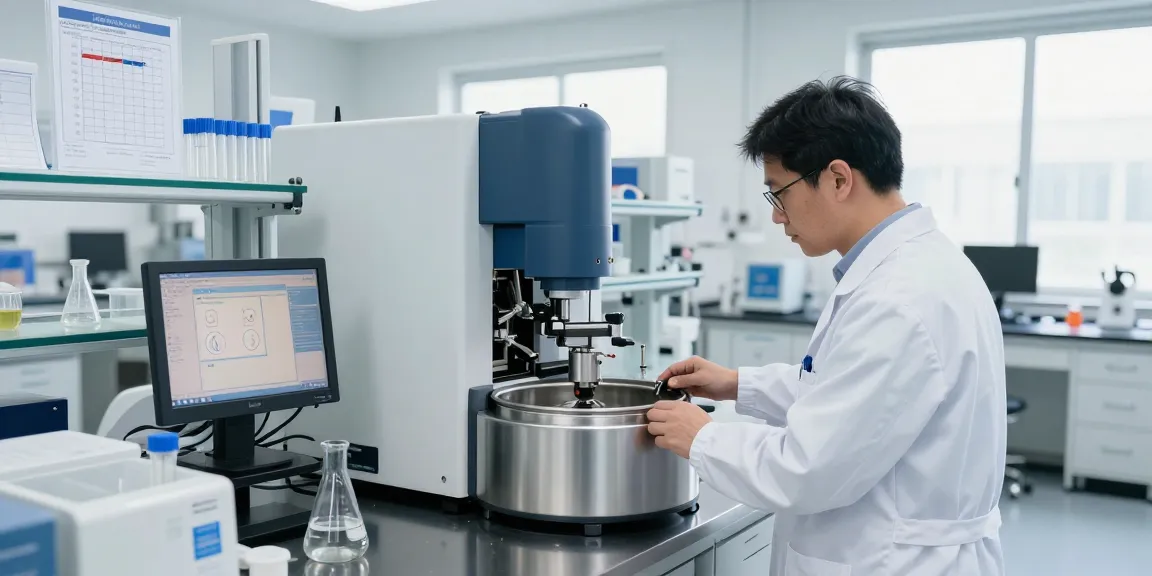
An industrial centrifuge is a vital machine employed across various sectors to separate substances based on density. By utilizing centrifugal force, these devices effectively segregate solids from liquids or even separate multiple liquid phases. Given the growing demands for efficiency and quality in industrial processes, the importance of sophisticated centrifuge technology has surged. When exploring options, industrial centrifuge solutions provide comprehensive insights into separating applications across multiple industries, enabling businesses to enhance their operational efficiency.
What is an Industrial Centrifuge?
At its core, an industrial centrifuge is a mechanical device designed to harness centrifugal force to drive separation processes. This process involves spinning materials at high speeds to generate a force that compacts solids and drives lighter liquids outward. As a result, industrial centrifuges play a crucial role in a wide range of applications, from the food and beverage industry to pharmaceuticals and wastewater treatment.
Key Components and Their Functions
Understanding the anatomy of an industrial centrifuge is essential for optimizing its performance. Key components include:
- Rotating Bowl: The central mechanism where separation occurs, it spins to create centrifugal force.
- Inlet & Outlet Ports: These allow materials to enter and exit the bowl, respectively.
- Drive Mechanism: This includes motors and belts that provide the necessary power to rotate the bowl at high speeds.
- Control Systems: Modern centrifuges come equipped with automated controls for monitoring and adjusting operational parameters.
Applications Across Various Industries
Industrial centrifuges are utilized in diverse industries, thanks to their versatility. Some notable applications include:
- Food and Beverage: Used for clarifying juices and separating oils, enhancing product quality and yield.
- Pharmaceuticals: Essential for separating solid drug formulations from liquid carriers.
- Chemicals: Employed to purify chemical mixtures and separate hazardous materials safely.
- Environmental Technology: Critical in wastewater treatment processes, helping to dewater sludge effectively.
Types of Industrial Centrifuges: A Comparative Analysis
Various types of industrial centrifuges exist, each designed for specific separation tasks. Understanding these types helps industries select the right equipment for their needs.
Decanter Centrifuges
Decanter centrifuges are designed for solid-liquid separation, especially in applications where high solids content is present. They feature a cylindrical bowl and an auger that moves separated solids toward the outlet, making them particularly effective in the food, chemical, and wastewater sectors.
Basket Centrifuges
Basket centrifuges, also known as batch centrifuges, use a mesh basket to trap solids while allowing liquids to flow through. They are commonly used in the food industry to separate sugar and other granular materials.
Disc Stack Centrifuges
Disc stack centrifuges consist of a series of stacked discs within a cylindrical bowl, providing increased surface area for rapid separation of multiple phases. They are ideal for applications requiring high clarification, such as milk separation and the recovery of refined oils.
Maximizing Efficiency with Industrial Centrifuges
To ensure optimal performance, industries must focus on maximizing the efficiency of their industrial centrifuge systems. Several factors can influence the effectiveness of these devices.
Factors Affecting Separation Efficiency
The efficiency of an industrial centrifuge can be impacted by:
- Speed: Higher rotational speeds generally increase separation efficiency.
- Feed Composition: The nature of the materials being separated, including particle size and viscosity, affects performance.
- Temperature: Adjusting temperature may improve the flow and separation process, especially in liquid mixtures.
Common Challenges in Centrifuge Operations
Operating industrial centrifuges is not without its challenges. Common issues include:
- Wear and Tear: Continuous operation can lead to mechanical degradation over time.
- Clogging: Solid particles can accumulate and obstruct flow, hindering performance.
- Vibration Issues: Excessive vibration may indicate imbalance or mechanical failure.
Best Practices for Optimal Performance
To overcome these challenges and enhance efficiency, adopting best practices is crucial. Recommended strategies include:
- Routine Maintenance: Regular checks and preventive maintenance can minimize breakdowns.
- Proper Feed Management: Ensuring optimal feed conditions can prevent clogging and inefficiencies.
- Monitoring Performance: Utilizing sensors to track performance metrics can help identify potential problems early.
Maintenance and Support for Industrial Centrifuges
The longevity and effectiveness of industrial centrifuges heavily depend on proper maintenance and support. Organizations must prioritize these aspects to ensure uninterrupted operation.
Preventative Maintenance Techniques
Preventive maintenance strategies include:
- Scheduled Inspections: Regular inspections to identify wear or necessary adjustments.
- Lubrication: Keeping moving components lubricated to reduce friction and wear.
- Part Replacements: Replacing worn components before failure occurs to avoid unexpected downtimes.
Identifying and Troubleshooting Issues
Knowledge of common issues can assist staff in troubleshooting. Key indicators of problems include:
- Unusual Noise: A sudden change in noise levels may indicate a mechanical issue.
- Performance Deterioration: Reduced separation effectiveness can suggest a need for maintenance.
Upgrades and Modernization of Equipment
As technology evolves, upgrading centrifuge equipment can significantly enhance productivity. Modernization may involve:
- Enhanced Control Systems: Implementing advanced control systems for more precise operations.
- Energy Efficiency Improvements: Upgrading to energy-efficient motors and components can reduce operational costs.
Future Trends in Industrial Centrifuge Applications
Looking ahead, the industrial centrifuge landscape is expected to evolve dramatically. Several trends are set to shape the future of centrifugal technology.
Emerging Technologies and Innovations
Innovations in materials and automation are likely to enhance the capabilities of industrial centrifuges. For instance, advanced composites may reduce weight and increase durability, while smart technologies can optimize operations through real-time data monitoring.
Impacts of Sustainability on Centrifuge Design
With growing environmental concerns, sustainability is influencing engineering practices in centrifuge design. Manufacturers are increasingly focused on creating energy-efficient devices that reduce waste and emissions, contributing to greener industrial practices.
Predictions for the Industrial Sector in 2026
In 2026, the industrial centrifuge sector may see significant advancements, including:
- Integration of AI: The use of artificial intelligence for predictive maintenance and optimization.
- Increased Use of Biomaterials: Adoption of sustainable materials in manufacturing centrifuges.
- Expansion of Industry Applications: Broader adoption of centrifuge technologies in emerging markets.
What is the best type of industrial centrifuge?
The best type depends on the specific application and materials involved, with decanter, basket, and disc stack centrifuges each offering unique advantages.
How do industrial centrifuges improve production efficiency?
By facilitating rapid separation processes and reducing the need for extensive filtration, industrial centrifuges enhance overall production timelines and reduce waste.
What maintenance is needed for an industrial centrifuge?
Maintenance includes regular inspections, lubrication, and timely replacement of worn components to ensure the centrifuge operates effectively.
How do industry standards affect centrifuge operations?
Compliance with industry standards ensures safety, reliability, and performance of centrifuge operations, impacting choice and design of equipment.
What are the environmental considerations for using centrifuges?
Environmental considerations involve minimizing energy use, managing waste by-products, and adhering to regulations that govern emissions and discharges.. Additionally, milk separator machine provides further details.